A lush green lawn is every homeowner’s dream, but beneath the surface, a silent pest might be destroying it from below. If your grass is suddenly turning brown, thinning out, or lifting up like a carpet, you could be dealing with grubs — one of the most common and damaging lawn pests. Understanding the signs of grubs in lawn early can save you from costly repairs and help you restore your yard before it’s too late.
Let’s go over what grubs are, how to recognize their presence, and what you can do to get rid of them effectively.
What Are Grubs?
Grubs are the larval stage of several types of beetles, such as Japanese beetles, June bugs, and chafer beetles. These white, C-shaped larvae live in the soil and feed on the roots of grass. While a few grubs might not cause serious damage, a large infestation can destroy entire patches of lawn in a matter of weeks.
They are usually about an inch long, with brown heads and soft white bodies. Grubs typically appear in late summer and early fall when beetles lay their eggs in the soil. Once hatched, they begin feeding aggressively before winter.
Why Grubs Are a Problem
Grubs feed on grass roots, cutting off the plant’s ability to absorb water and nutrients. As a result, the affected grass wilts, turns brown, and dies. What makes grub damage tricky is that it often looks like drought stress or a fungal problem, so homeowners may not realize the true cause until the damage spreads.
Besides harming your lawn directly, grubs also attract predators such as raccoons, skunks, and birds that dig up your yard looking for a meal — making the problem even worse.
Early Warning Signs of Grubs in Lawn
Catching grub activity early is the key to saving your lawn. Here are the most common signs to watch for.
1. Irregular Brown Patches
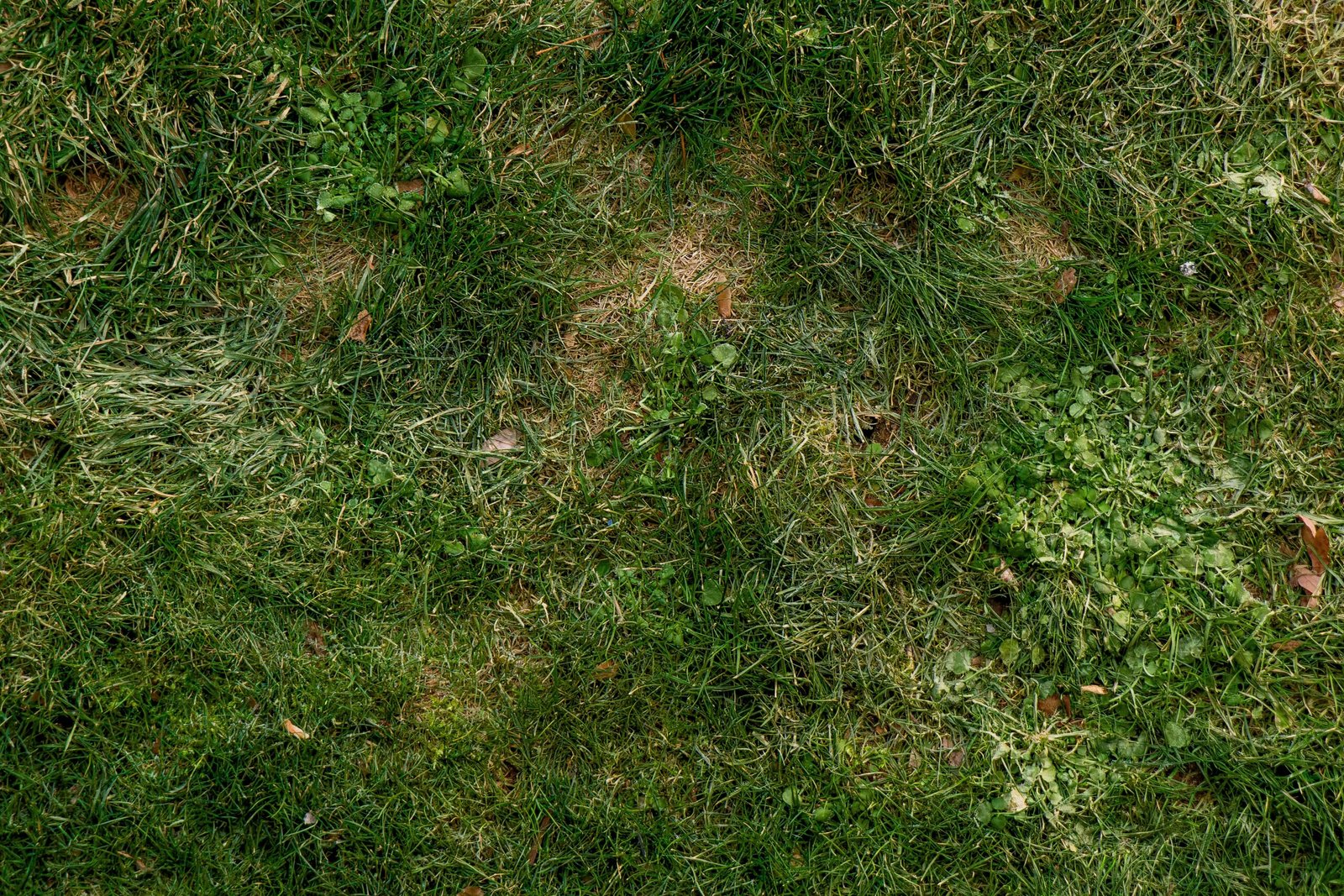
The most obvious sign of grubs in a lawn is random brown or yellow patches that don’t improve with watering. These areas often appear in late summer or early fall, when grubs are actively feeding on grass roots.
Unlike drought damage, grub-infested grass peels up easily because the roots have been eaten. If you tug gently at the grass and it lifts off the soil without resistance, it’s a strong indicator that grubs are underneath.
2. Spongy or Soft Soil
When grubs are present, they loosen the soil as they move and feed. Walking across an infested area may feel soft or bouncy underfoot, similar to a sponge. This is caused by the separation between the roots and the soil.
To test this, press down with your foot in different parts of the lawn. If certain sections feel unusually soft or uneven, it’s worth checking below the surface.
3. Increased Animal Activity
Raccoons, skunks, crows, and even armadillos love to dig for grubs. If you notice animals tearing up your lawn overnight or birds pecking excessively at one area, it could mean they’ve detected grub larvae beneath the surface.
While the animals themselves aren’t the main problem, their digging can cause serious damage to your lawn and expose the underlying infestation.
4. Thinning Grass That Won’t Grow Back
When grubs destroy grass roots, the affected patches won’t recover even with watering and fertilizer. If you’ve tried feeding and reseeding but the grass still won’t grow, grubs may be to blame.
Look for thin or dead patches surrounded by healthy grass. The contrast often becomes most noticeable in late summer when temperatures rise and the lawn struggles to take up water through damaged roots.
5. Visible Grubs Under the Soil
The most reliable way to confirm a grub problem is to dig a small section of your lawn. Use a spade or shovel to remove a square foot of turf about two to three inches deep.
If you find more than five or six white, C-shaped grubs in that section, you likely have an infestation that needs treatment. Healthy lawns can tolerate a few grubs, but higher numbers can cause noticeable damage.
6. Grass Peeling Up Like a Carpet
Because grubs sever the grass roots, large sections of turf may lift easily from the ground. If you can roll the grass back like a mat, it’s a clear sign of grubs in lawn. You may even see the grubs wriggling underneath in the soil.
This symptom usually appears when the infestation is severe and the root system is almost completely destroyed.
When to Look for Grubs
Grub damage often becomes visible in late summer or early fall, which is when the larvae are most active. However, by this point, they’ve usually done significant damage.
To stay ahead of the problem, inspect your lawn in spring as well. While grubs are smaller and less active in cooler months, early detection allows for preventive treatment before they start feeding again in summer.
How to Confirm a Grub Infestation
A simple inspection can tell you if grubs are present:
-
Cut a 12-inch square of sod in a brown or suspicious area.
-
Peel it back and look through the top layer of soil.
-
Count the number of grubs you find.
-
0–5 grubs: Normal; no need for treatment.
-
6–10 grubs: Moderate; monitor and consider preventive measures.
-
10+ grubs: Severe; treatment needed immediately.
The more grubs you find, the more urgent it is to act before they spread further.
How to Treat a Grub Problem
Once you’ve confirmed grubs are present, there are several options to eliminate them.
1. Natural Methods
If you prefer an eco-friendly approach, try introducing beneficial nematodes — microscopic worms that attack and kill grubs naturally. They’re safe for pets and people and can be applied easily with a garden sprayer.
Another option is using milky spore powder, which targets Japanese beetle grubs and builds up long-term protection in your soil.
2. Chemical Treatments
For severe infestations, insecticides containing imidacloprid, carbaryl, or chlorantraniliprole can be effective. Apply them during late summer when grubs are small and feeding near the surface.
Always read product labels carefully and water the lawn afterward to help the solution penetrate the soil.
3. Preventive Care
The best way to avoid grub problems in the future is to maintain a healthy lawn. Deep watering, proper mowing height, and regular aeration strengthen grass roots, making it harder for beetles to lay eggs.
Applying a preventive grub control product in spring can also stop larvae from developing later in the season.
Final Thoughts
Grubs are tiny but destructive pests that can devastate your lawn if left unchecked. Recognizing the signs of grubs in lawn — such as brown patches, soft soil, and increased animal activity — allows you to act quickly and prevent widespread damage.
By combining proper inspection, timely treatment, and good lawn maintenance, you can eliminate grubs and restore your grass to its full, healthy green.
A beautiful lawn starts from the roots — and protecting those roots from grubs is the best way to keep your yard thriving all year long.